5 Secrets You Need to Know About Successful Brand-Building
What Steve Jobs knew before revealing the first iPhone.



A brand is not a logo.
A brand is not an identity.
And, certainly not a product.
What Exactly is a Brand?
Marty Neumeier has defined it by saying “A brand is a person’s gut feeling about a product, service, or organization. It’s a gut feeling because people are emotional, intuitive beings.”
We tend to base our buying choices on trust. And trust comes from the products that exceed our expectations. So in other words, a brand is the understanding of something that pops into people’s minds through their gut feeling.
Let’s say you’re a company trying to build your own brand. At this point, you have the product and business strategy, but the market doesn’t know your existence.
You keep trying to tell customers over and over exactly what to think about you. But they keep rejecting you every time is traditional marketing.
But in brand-building, it is no longer what you say it is. It’s what customers say it is. People create stories for you. Then they spread the stories based on their "gut feeling" experience.
Nowadays, customers are not focused on products anymore, as much as meaning. They buy products to build their identities. Because everybody wants to belong to something. That's why they buy in tribes to feel safe and successful. It is all about them.
And the most important thing is that people hate being sold to, but love to buy. If you made it easy, you have a brand.
How to Build a Successful Brand?
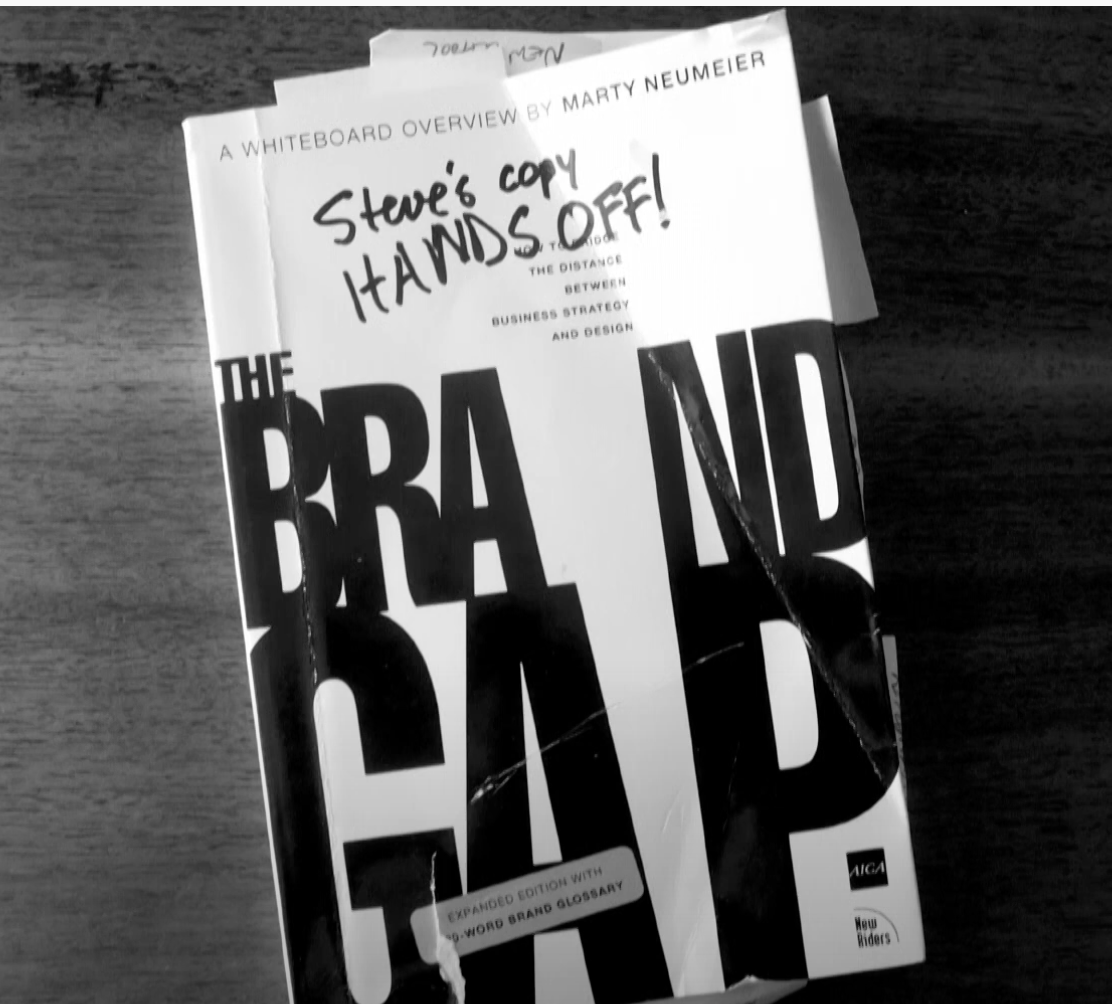
Right before launching the first iPhone, Steve Jobs read a book called “The Brand Gap.” What he read and learned were the 5 disciplines in building a charismatic brand.

1 . See greatness in people
Think about how you can enable greatness in your customers.
Be different. Companies usually see weakness in people and make a lot of money from it. The weakness can be anything from naïveté to addiction. This is no good in the long term.
Instead, find out what your customers are trying to do with their lives. Understand their passion and professions to help them. Position them for success. Look from their point of view.
A good example might sound like Procter & Gamble saying, "We improve the lives of our customers, now and for generations to come." Meaning the company is based on an ongoing effort to improve people's life.
2. Help them find meaning in their lives
Help people with self-fulfillment and self-actualization.
Products are like Russian dolls. What you actually want inside is not the features or the benefits. It is the experience you want. But then there is something you want from the experience.
That is meaning.
This little core of meaning makes some brands great and some brands not so great. It is not about having more but being more. It is about the customers and what they become in their lives. Product equals Symbol.
If I buy a Tesla, I'm not just a driver anymore. I'm an automotive sophisticate.
If I upload videos to YouTube, I'm a video celebrity.
If I put my writing on Medium, I'm a published author.
3. Design the customers you want
You design the space for your customers so they can see themselves in that space. If you create something without designing it, it's usually a mess. No consistency, no organization, and no purpose.
Create a space that customers can inhabit. They go in there and they tell other people which is the beginning of a tribe. You just have to design the right space for them.
In many categories, the most loyal 10% of customers generate 50% of revenues. So you have to treat those core members of the tribe well. They'll buy everything you have. They'll tell everybody about it. They'll keep buying despite anything you might do wrong.
Any effort to get customers is marketing. Any effort to get customers and keep them is branding. So branding is a long-term investment
4. Support and grow the tribe
Being part of the tribe has responsibilities. Starting with a core group of customers. Then get them to join you.
But first, ask yourself questions like "What is your tribe? How strong are they? Are they good messengers for you and for what you’re doing?"
Choose them. Don't just have them choose you. Decide what tribe you want then design them a space to grow. After that, support and invest in it.
They will do the work of battling the other tribes. The battle is no longer between companies, but between tribes. Like how people divide between iPhone vs. Android, Marvel vs. DC, Playstation v. Xbox, etc.
The company with the strongest tribe wins.
5. Create a framework for stories
Let the customers say the right stuff about you. A brand story should be told by customers, not by the advertising people. Empower the customers to say the right stuff about you.
Set the scene. You simply describe the situation, the enemy, and the heroes. You let them tell the story about it and feed them with little pieces that they can make sense out of.
Don't dictate the story or else you're back in the old school again and people don't like to be sold. The whole idea of branding is to cut selling. Customers don't want to be told. They want to tell.
This is where social media is useful. Because tribes are connected through technology now. So you need to listen to what people are saying and then build your brand based on the smart ones. It’s not what you say it is, it’s what they say it is, and that is the trick.
Summary
There are 5 disciplines you should understand in building a top brand.
- Think about how you can enable greatness in your customers.
- Help people with self-fulfillment and self-actualization.
- Design the space for your customers so they can see themselves in that space.
- Support and grow the tribe.
- Let the customers say the right stuff about you.
You can turn them into five steps of a ladder that you can measure your successes in brand-building.
Take your customers up a latter little by little. From satisfaction to delight where they start telling people. Then up to engagement where they start to feel like they belong in a tribe.
And finally to empowerment where they would be upset if your brand is taken away from them. Because they're engaged and their identities depend on it. This is where you want to get.
Comments
Post a Comment